
Responsible play
Setting a budget before you play, in a way that holds
Deciding a per-session budget, setting a stop time, and the signals that mean it is time to stop.
Game guides
The parts of a slot game, from reels and paylines to the features you meet most often.
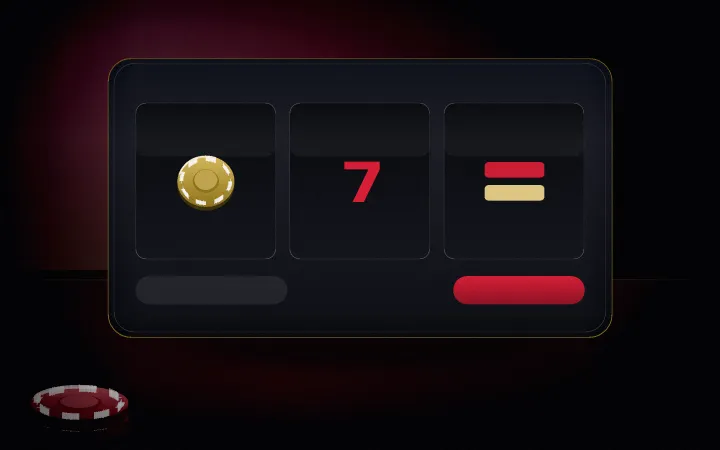
A slot uses a random number generator to settle each spin. One spin has no relationship to the one before it, and nothing accumulates between them.
A common misreading: a game that has not paid for a while is not "due". Each spin stands alone.
Plenty of newer games drop paylines entirely and count clusters of symbols instead. Either way, the paytable is where that game explains itself.
Volatility describes the shape of a game's payouts. Lower-volatility games tend to return smaller amounts more often; higher-volatility ones return less often but can pay more when they do.
The volatility and return figures for any given game are set by its studio and shown in the game's info screen. We do not restate them here — read them there, where they are authoritative.
Work backwards from the budget rather than forwards from a feeling.
If the answer is below the game's minimum, that game does not fit this budget. Change the game, not the budget.
Next
Deciding a per-session budget, setting a stop time, and the signals that mean it is time to stop.
Adding the site to your home screen, managing mobile data, and what to check before a live table.

What the sign-up flow asks for, what to prepare, and why the name on the account has to match your bank.
Open an account, or carry on reading — both are reasonable next steps.